
ommon Mistakes to Avoid When Building Your Incident Response Plan

Concerned about the rising threat of cyberattacks affecting your business? You’re certainly not alone. Cyberattacks present a genuine risk to businesses like yours, potentially causing significant harm without a robust incident response plan in place. The good news is that an incident response plan can be a game-changer. In this article, we will delve into the common mistakes, myths, and misconceptions that can impede the development of a strong incident response plan. We’ll also provide practical solutions to help you navigate through cyber challenges more effectively. By steering clear of these pitfalls, you can fortify your response plan and enhance your business’s resilience against cyber threats. Introduction: Crafting Your Incident Response Plan The Importance of an Incident Response Plan An effective incident response plan isn’t just a safety net; it’s a fundamental component of any modern business’s cybersecurity strategy. It serves as your playbook for swiftly and effectively dealing with potential cyberattacks. When a cyberattack strikes, every second counts. Having a clear, actionable plan in place ensures that your team knows exactly what to do, minimising damage and downtime. It also demonstrates to your customers that you take their data security seriously. Moreover, it can help mitigate legal and financial repercussions by ensuring compliance with data protection regulations. In essence, an incident response plan keeps you in control during what could otherwise be a chaotic and stressful situation, providing peace of mind for you and your stakeholders. Recognising Cyberthreats Understanding the myriad of cyberthreats is key to preparing your incident response plan. Cyberthreats can range from external attacks, like hacking and phishing scams, to internal threats, such as accidental data breaches or deliberate sabotage. Recognising that threats can emerge from anywhere and at any time is crucial. It’s not just the big companies that are targets; small to medium businesses are often seen as low-hanging fruit by cybercriminals due to typically having less stringent security measures. Keeping abreast of the latest types of attacks and common vulnerabilities within your industry will help you identify potential threats more quickly. This knowledge enables you to tailor your incident response plan to be more effective, ensuring that your business can withstand and quickly recover from any cyber incident. Mistake 1: Ignoring Internal Threats Understanding Internal Cyber-Incidents When it comes to cybersecurity, many businesses focus on defending against external attackers. However, internal incidents, whether accidental or deliberate, can be just as damaging. Employees can unintentionally cause a breach by falling victim to phishing emails or by mishandling sensitive information. On the other hand, disgruntled staff might intentionally leak or sabotage data. It’s essential to recognise that these internal incidents are not just possible but are often the source of security issues. By prioritising measures like staff training, access controls, and regular audits, businesses can significantly reduce the risk of internal threats. Understanding the potential for such incidents and incorporating them into your incident response plan can make all the difference in safeguarding your company’s data and reputation. Solutions and Preventive Measures To combat internal cyber-incidents, it’s vital to implement a mix of technical and administrative controls. Start with comprehensive staff training on cybersecurity best practices and the importance of safeguarding company data. Encourage a culture of security awareness where employees feel responsible and empowered to report suspicious activities. Technically, enforce strict access controls and use the principle of least privilege, ensuring staff have access only to the information necessary for their job. Regularly update and patch systems to fix vulnerabilities that could be exploited by malicious software or disgruntled employees. Additionally, conduct routine security audits and have clear policies for both digital and physical security. By proactively addressing these areas, you can reduce the likelihood and impact of internal threats on your business. Mistake 2: Overemphasising Technology The Role of Technology in a Response Plan While technology is a critical aspect of any incident response plan, it’s not a silver bullet. It’s easy to fall into the trap of believing that the latest cybersecurity tools will automatically protect your business from any threat. The truth is, technology should be one part of a multifaceted strategy. Cybersecurity technology can help detect breaches, protect data, and respond to incidents more quickly. However, without the right processes and a trained team in place, even the most advanced technology may fail to prevent or mitigate a cyberattack effectively. It’s essential to balance your investment in technology with the development of robust procedures and the continuous education of your team to ensure a comprehensive, proactive incident response capability. Creating a Holistic Response Plan To create a holistic incident response plan, you need to integrate technology with human insight. Start by defining clear roles and responsibilities for your team, ensuring everyone knows their part in the event of a cyberattack. Develop communication protocols to keep all stakeholders informed during an incident. Make sure your plan includes not only detection and containment but also recovery and post-incident analysis. Use tabletop exercises to simulate cyberattack scenarios and test your response procedures. This will help identify gaps in both your technology and processes. A holistic plan also considers the broader business impact, including public relations, legal implications, and business continuity strategies. By thinking beyond the technical solutions, you can develop a resilient plan that aligns with your business objectives and addresses the full spectrum of risks. Mistake 3: Neglecting Updates to Your Response Plan The Need for Regular Review and Update A static incident response plan might as well be no plan at all. Cyberthreats are constantly evolving, and your defences must evolve too. Regularly reviewing and updating your plan is critical to ensure that it remains effective against the latest cyberattack strategies. This includes updating contact information for key personnel, revising procedures based on new insights, and integrating lessons learnt from recent incidents. Technology advancements should also prompt a review of your plan to incorporate new tools or methods that can improve your response. Furthermore, regulatory changes may require updates to maintain compliance. At least annually, or after any significant change
The Security Risks of Obsolete Software and Hardware: Why Staying Up-to-Date is Crucial for Your Business

In today’s rapidly advancing technological landscape, it’s easy to overlook the fact that hardware and software can also have expiration dates. While the concept of expiration dates is commonly associated with perishable goods, the same principle applies to technology. As technology evolves at a breakneck pace, what was once cutting-edge can quickly become obsolete, posing security and privacy risks for businesses. Outdated technology often lacks the modern security features and patches provided by manufacturers, making it more vulnerable to attacks. Additionally, compliance with current privacy regulations may be compromised with obsolete technology, putting valuable data at risk. To mitigate these risks, it is crucial for businesses to stay up-to-date with the latest software programs and hardware. By planning for the expiration of systems and migrating to supported platforms like Microsoft 365, businesses can ensure optimum security and productivity without compromising their workflow. With the increasing prevalence of data breaches and cyberattacks, investing in supported technologies and expert assistance for cybersecurity is a vital step in safeguarding businesses from potential vulnerabilities. Remember, prevention is always better than cure when it comes to protecting your organisation from the downfall of outdated technology. Understanding Tech Shelf life: Hardware and Software The Concept of ‘Expiry Dates’ in Technology Just like food products have expiry dates after which they’re no longer safe to consume, technology has its own version of ‘use-by’ dates. These aren’t printed on a label but are just as critical to heed. As new software updates and hardware models are released, older versions become less efficient, less compatible with newer systems, and more vulnerable to threats. Manufacturers often stop supporting older models with updates or patches, leaving them exposed to security risks. For instance, an unsupported operating system won’t receive security updates, which means it’s open to exploitation by cybercriminals. It’s important for businesses to understand this lifecycle, as using outdated tech can lead to significant risks, including data breaches and system failures. Recognising the ‘expiry date’ of technology is the first step in maintaining a secure and efficient business environment. Evolution and Obsolescence: The Ever-evolving Tech Landscape The tech industry evolves at an astonishing pace, with new advancements constantly reshaping the market. This relentless progression means that hardware and software can quickly become obsolete as newer, more advanced options become available. The lifecycle of technology is becoming shorter, and businesses must adapt swiftly to maintain their competitive edge. Obsolescence is not just about being out-of-date; it’s about the inability to function optimally within the modern digital ecosystem. For businesses, this can translate to slower performance, compatibility issues, and increased vulnerability to cyber threats. Staying ahead of the curve is not just advantageous – it’s essential for security, productivity, and relevance in a market where outdated technology can be a liability. Understanding this cycle of evolution and planning for upgrades is key to ensuring that your business technology remains robust, secure, and able to meet the demands of a dynamic digital environment. The Security Implications of Outdated Technology Understanding Security Risks of Obsolete Systems Obsolete systems are a haven for security risks. Without the latest security updates and patches, these systems become easy targets for cybercriminals. Hackers are constantly searching for vulnerabilities, and outdated systems provide a wealth of opportunities for them to exploit. These vulnerabilities can lead to unauthorised access, data theft, and even full system takeovers. Moreover, older systems may not be equipped to use modern encryption standards, leaving sensitive information inadequately protected. In a business context, this could mean exposure of client details, financial records, or intellectual property. The cost of a data breach extends beyond the immediate financial impact; it can damage a business’s reputation and customer trust irreparably. Understanding the inherent security risks of obsolete systems is crucial. It’s not just about keeping up with technology for its own sake; it’s about protecting your business’s most valuable assets from ever-present threats. How Privacy Regulations Impact Outdated Tech Outdated technology doesn’t just pose a security risk; it also has implications for privacy compliance. Regulations like the General Data Protection Regulation (GDPR) and others around the globe set strict guidelines for the management of personal data. These rules often require robust security measures that outdated systems are incapable of supporting. Businesses using obsolete tech can find themselves non-compliant, facing hefty fines and legal repercussions. The inability to adequately protect customer data can lead to breaches and a loss of public trust. Furthermore, outdated systems might lack the functionality to quickly respond to data requests from users, a requirement under many privacy laws. Keeping up with privacy regulations means more than just policy updates; it requires the technological ability to enforce these policies. Upgrading to current technology ensures that businesses can meet these legal obligations and protect themselves from the risks associated with non-compliance. Case Study: The End-of-support for Office 2013 Anticipating Office 2013’s End-of-Support Implications With the end-of-support for Office 2013, businesses are facing a pressing need to transition to newer software. End-of-support means that Microsoft no longer provides technical support, bug fixes, or security updates for the product. This leaves systems running Office 2013 vulnerable to security risks and malware attacks, as new vulnerabilities will remain unpatched. For businesses, this situation can have serious implications. Continued use of Office 2013 could lead to data breaches, with potential financial and reputational damage. Moreover, non-compliance with data protection regulations can incur legal penalties and loss of customer trust. Anticipating these implications is vital for businesses. It prompts them to evaluate their current technology suite and develop a strategy for migration to supported software like Microsoft 365, which offers the latest security features and compliance capabilities. This proactive approach is critical in maintaining a secure and efficient operational environment. Transitioning to Microsoft 365: A Secure Alternative Transitioning from Office 2013 to Microsoft 365 represents a significant upgrade in security and functionality. Microsoft 365 is a cloud-based suite that offers continuous updates, ensuring users always have the latest security features and productivity tools. With this subscription-based model, businesses benefit from regular
The Hidden Costs of Ineffective Data Management

In today’s business landscape, data isn’t just power — it’s the very lifeline that fuels business decisions, drives innovations and shapes strategies. However, businesses often find it difficult to effectively manage the vast amounts of data they hold, and that’s where data management comes into play. Simply put, data management is all about collecting, storing and analysing data in the most efficient way possible to help businesses like yours make informed decisions, optimise operations and unlock invaluable insights. In this blog, we’ll look at the consequences of improper data management and discuss how businesses like yours can effectively deal with these challenges. Potential consequences of improper data management Failure to manage your data effectively can lead to the following consequences, including missed opportunities, inefficiencies and even business-ending events. Poor decision-making: Imagine navigating the roads using a faulty map. You’re bound to end up in the wrong place. Without accurate data, you will be charting a flawed business trajectory toward wasted resources, missed market opportunities, and ultimately, strategic missteps that hurt your business. Reduced efficiency: If your employees are working in siloed systems, drowning in a sea of duplicate data and wasting precious man-hours sorting the mess, you won’t have time for productive work. Ineffective management erodes productivity and keeps your business from growing. Increased risk: A leaky boat is bound to sink. Poor data management can sink your business by exposing you to security risks and even data breaches that could result in non-compliance with regulations, leading to legal issues and fines. Decreased customer trust: Mishandling of customer data is like breaking a sacred covenant. It fractures your reputation and erodes trust, leading to client disengagement and a tarnished brand image that could be difficult to rebuild. Competitive disadvantage: Think of a large, inaccessible gold mine. Now, imagine all that untapped precious metal. That’s exactly what businesses that lack data management strategies resemble. If you fail to leverage data, you are bound to lose ground to businesses that use analytics and AI to unlock groundbreaking insights and fuel future success. Increased costs: Poor data management slowly eats away at your revenue and bloats your expenses. You end up incurring expenses on storing duplicate or irrelevant data that do not contribute to your business growth. How we can help with data management The good news is that you can partner with trusted guides who are equipped with the expertise and resources to transform your hidden data liabilities into revenue-churning assets. Here’s how an IT service provider can put you on the road to success: Secure your future Your data is your gold mine with precious untapped potential. However, navigating the tricky data management terrain on your own can be challenging — and that’s where we come in. Consider partnering with us so we can help you unlock the power of data for your business. Contact us now! Download our eBook, “Defeating the Data Deluge: Effectively Leveraging Data for Business Growth“, to turn your data into a powerful engine for success.
Navigating the Chaos: Protecting Your Business from Cyberthreats During and After Disasters

Handling cyberthreats is an ongoing challenge for businesses in today’s technology-driven world. However, when disasters strike, the chaos and disruption created provide additional opportunities for cybercriminals to launch devastating attacks. The aftermath of a disaster diverts attention and resources away from maintaining and protecting IT systems, leaving networks vulnerable to intrusion. Moreover, the fear, urgency, chaos, and uncertainty that accompany disasters create an environment in which cybercriminals thrive, exploiting individuals through phishing attacks and social engineering scams. Disasters can also damage critical infrastructure, compromising cybersecurity measures. Additionally, cybercriminals impersonate trusted relief organisations and government agencies to deceive victims and gain unauthorised access to sensitive information. To fortify your business’s digital defences during and after disasters, it is crucial to understand how disasters fuel cyberattacks and implement strategies to mitigate these threats. By prioritising disaster preparedness and cybersecurity, establishing a dedicated team for monitoring and maintaining cybersecurity, educating employees about common tactics used in cyberattacks, backing up critical infrastructure, and promoting a culture of scepticism and verification, you can proactively safeguard your business from cyberthreats during and after disasters. Understanding How Disasters Amplify Cyberthreats The Importance of Disaster Preparedness for Cybersecurity Disaster preparedness is an essential component of a robust cybersecurity strategy. In the event of a natural disaster or other catastrophic event, organisations must be ready to protect their digital assets with the same vigour as their physical ones. Establishing a comprehensive disaster recovery plan that includes cybersecurity considerations is critical. It ensures that businesses can quickly restore their systems and data, maintaining the integrity and availability of critical infrastructure. Preparing for disasters involves regular risk assessments, updating and patching systems, and ensuring that employees are aware of the procedures to follow during an emergency. This preparation not only minimises the risk of cyberattacks during vulnerable times but also helps maintain trust with customers and stakeholders who rely on the business’s resilience in the face of adversity. Four Ways Disasters Fuel Cybersecurity Threats Disasters have a multiplicative effect on cybersecurity threats, primarily through these four avenues: Understanding these risks is the first step in bolstering defences against the heightened threat level during and after a disaster. Diverted Attention and Resources: Prime Cyberattack Opportunities The Dangers of Shifting Focus Towards Disaster Recovery When a disaster occurs, the immediate shift of focus towards recovery efforts is both necessary and understandable. However, this shift can inadvertently expose businesses to increased cyber risk. As teams concentrate on restoring operations and services, cybersecurity protocols may be overlooked or hastily modified to accommodate changes in workflow, creating vulnerabilities. Cybercriminals are acutely aware of these periods of distraction and may take advantage of reduced vigilance. They know that during such times, IT staff are stretched thin, and security systems might not be monitored as closely as required. This reduction in oversight can lead to delayed detection of breaches and a slower response to incidents. The key is to maintain a balance between disaster recovery and cybersecurity vigilance to ensure that while one crisis is being managed, another is not brewing in the digital realm. Key Strategies to Maintain Cybersecurity During Crisis To maintain cybersecurity during a crisis, organisations should implement several key strategies: Implementing these strategies can help protect your business from becoming an easy target for cybercriminals during a crisis. Exploiting Fear, Uncertainty, and Chaos: Cybercriminal Tactics During Disasters The Role of Fear and Urgency in Successful Cyberattacks Fear and urgency are powerful tools in the cybercriminal’s arsenal, particularly during disasters. These emotions can cloud judgment and lead to hasty decisions, such as clicking on a malicious link or sharing sensitive information without proper verification. Cybercriminals exploit this by crafting phishing emails and social engineering attacks that mimic legitimate sources, offering ‘critical’ updates related to the disaster. The sense of urgency these messages convey often overrides the recipient’s normal caution. To combat this, businesses need to reinforce the importance of vigilance and provide clear communication channels for verifying the authenticity of urgent requests. By understanding the psychological factors at play, organisations can better prepare their employees to resist the lure of fear-based cyberattacks and maintain a level-headed approach to cybersecurity during times of crisis. Protecting Your Business Against Fear-based Attacks To protect your business from fear-based cyberattacks, it’s crucial to create a culture of awareness and skepticism. Start by educating employees on the nature of these attacks and the common signs of phishing attempts, such as unexpected requests for sensitive information or urgent demands for action. Encourage them to think critically and to verify the legitimacy of any communication that plays on fear or urgency, especially during a disaster. Implement strong authentication protocols and encourage the use of multi-factor authentication to add an extra layer of security. Regularly update and patch systems to address known vulnerabilities that could be exploited during times when your business is distracted by disaster response efforts. Finally, conduct regular drills and simulations to ensure that your team is prepared to respond to fear-based attacks. This helps to reduce panic and ensures that employees know how to react under pressure, keeping your business’s data and systems secure. Damaging Critical Infrastructure: The Cybersecurity Risks The Impact of Damaged Infrastructure on Cybersecurity Damaged infrastructure from disasters can have significant ramifications for cybersecurity. Physical damage to servers, network lines, or power outages can disrupt the normal operation of security systems, making it easier for cybercriminals to find and exploit vulnerabilities. Without power, for instance, security monitoring systems may become inoperative, leaving a window of opportunity for attacks to go undetected. Moreover, the rush to restore services can lead to makeshift solutions that do not consider security implications—such as hastily configured networks that lack proper security controls. This can introduce new vulnerabilities or widen existing ones. Businesses must recognise the interdependence of physical infrastructure and cybersecurity. They should incorporate resilience planning into their cybersecurity strategies, ensuring alternative measures are in place to protect against data breaches even when the physical infrastructure is compromised. Bolstering Infrastructure Security with Backup and Recovery Plans Strengthening infrastructure security against
A Deep Dive Into Data Governance

In the world of business, your data holds the key to understanding customers, market trends and internal operations. Making the most of this information is crucial for improving customer experience, driving innovation and enhancing overall productivity. You can unlock the full potential of your digital data with efficient data management and data governance. Data management is all about organising, securing and retrieving information in a way that makes sense. Well-managed data streamlines processes, encourages collaboration and provides you with reliable business insights, giving your business a real edge. It’s crucial to know the difference between data management and data governance to get the most out of your data. Although the terms are sometimes used interchangeably, understanding the difference is essential for navigating the complexities of the data-driven era. Demystifying data governance Data governance is about setting rules for managing your data. It addresses data ownership, usage and quality while ensuring privacy and security standards are met. The goal is simple: to make sure your data is accurate, consistent and secure, following the rules set by regulators and your own policies. Compared to data management, which deals with the technical side of things, data governance focuses on using data responsibly and ethically, aligning with your organisation’s goals. It is essential to have a clear understanding of data governance in order to establish a robust foundation for data management. Navigating the importance of data governance Inconsistent data can lead to bad decisions. Poor data governance can even get you in trouble with regulators. On the flip side, good data governance can help you make better decisions, innovate and increase profits. It’s all about making sure your data is accurate and reliable for making smart choices. Mastering data governance best practices Follow these simple practices for effective data governance: Start small Begin with a manageable workload, ensuring a smooth transition as you gradually scale your efforts. Build a dedicated team Form a committed team equipped with the necessary skills and resources dedicated to your data governance program. Set clear goals Define transparent objectives for your data governance, communicating them clearly with your team and stakeholders. Make way for open communication Foster stakeholder transparency by openly communicating with external partners, building trust and ensuring alignment. Embed data governance in every department Integrate data governance into every department, creating a collaborative and cohesive approach to data management. Identify and mitigate risks Recognise and address risks at key points in your data governance program, mitigating potential threats to its success. Evaluate projects Assess your projects upon completion, identifying areas for improvement and learning from both successes and failures. Consistent refinement Continuously refine your governance framework to keep it up to date and aligned with your organisation’s evolving needs. Take action now Data governance can be tricky, taking time and knowhow. As your trusted IT partner, we get the ins and outs of data governance. Let us guide you to make the most of your data, helping you make informed decisions that drive growth. Reach out for a no-obligation consultation.
The Importance of Backup and Disaster Recovery: Protecting Your Business from Data Loss Disasters
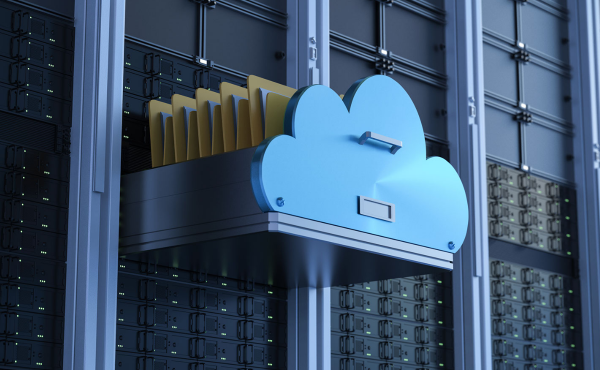
Data loss disasters come in various forms, ranging from natural calamities to cyberattacks and human errors, and can have severe consequences for businesses. In addition to financial and reputational damage, failing to safeguard valuable data can lead to expensive lawsuits. This emphasizes the need for businesses of all sizes to have a backup and disaster recovery (BCDR) plan in place. A comprehensive BCDR strategy enables businesses to quickly recover and resume operations in the event of a disaster. It also helps ensure compliance with governmental and industry regulations. In this post, we will explore the different types of data loss disasters and discuss essential components of a BCDR plan that will enable businesses to navigate disruptive events successfully. We will also provide guidance on how to begin developing and implementing a BCDR plan. Protect your business from data loss disasters by prioritizing backup and disaster recovery. Understanding Data Loss Disasters The Impact of Data Loss on Businesses When a business experiences data loss, the consequences can be far-reaching and devastating. Loss of critical data can lead to significant downtime as staff scramble to recover information, which in turn can result in lost revenue and diminished customer trust. Moreover, businesses may face regulatory fines if lost data includes sensitive information that they are legally mandated to protect. The reputational damage incurred can be long-lasting and may deter potential customers. For small businesses, such an event can be catastrophic, potentially leading to closure if they cannot recover. Therefore, understanding the impact of data loss is the first step in emphasising the importance of a solid backup and disaster recovery plan to safeguard a company’s future. Different Types of Data Loss Disasters Data loss disasters vary widely and can include natural events like bushfires, floods, and storms, which can physically damage infrastructure. Technological disasters such as system crashes, data corruption, and hardware failures are common, often due to ageing equipment or lack of maintenance. Cybersecurity incidents like ransomware attacks, data breaches, and hacking can lead to data being stolen or rendered inaccessible. Additionally, human error remains a significant risk, with accidental deletions or overwrites frequently occurring. Each type of disaster requires a specific response strategy, making it crucial to prepare a comprehensive backup and disaster recovery plan that addresses the full spectrum of potential data loss scenarios. Recognising Threats to Business Data Natural Disasters and Data Loss Natural disasters such as bushfires, cyclones, and severe storms can strike with little warning and have the potential to cause catastrophic data loss. These events can physically damage servers, computers, and other critical infrastructure that store business data. Even with insurance to cover hardware, the loss of unique data can be irreplaceable. Disruptions from natural disasters can also lead to extended downtime while businesses attempt to recover lost information or set up new systems. The geographical location of data storage plays a critical role, and businesses should consider offsite backups or cloud storage solutions to mitigate the risk of data loss due to natural disasters. Being proactive with data backup is essential to ensure business continuity in the face of nature’s unpredictability. Hardware and Software Failures Hardware failures are a common cause of data loss, often resulting from physical wear and tear, overheating, or electrical issues. The sudden breakdown of hard drives, for instance, can lead to the loss of critical business information. Meanwhile, software failures can occur due to bugs, corrupt files, or incompatible updates that may render data inaccessible. Such technical malfunctions can disrupt business operations and lead to costly downtime as teams work to restore or replace the affected systems. Regular maintenance of hardware and vigilant software management, including timely updates and patches, are key preventive measures. Furthermore, implementing a robust backup solution ensures that, even in the event of hardware or software failure, data can be quickly recovered, minimising the impact on business continuity. Unexpected Situations Leading to Data Loss Data loss can be triggered by unexpected situations that businesses may not typically consider in their risk assessments. These can include incidents such as utility outages, which may disrupt power to servers and lead to data corruption. Vandalism or theft can also result in sudden data loss if physical devices containing sensitive information are compromised. Additionally, less dramatic events like a software update gone wrong or the accidental triggering of a fire suppression system in a server room can have similar consequences. Planning for these unexpected scenarios is challenging but essential. It involves creating redundancies and safeguards, such as uninterruptible power supplies (UPS) and secure, remote data storage options that can keep data intact and accessible even when the unexpected strikes. Human Errors Causing Data Loss Human error is one of the most common causes of data loss. Simple mistakes, such as accidental deletion of files or the mishandling of data storage devices, can lead to significant data loss. Misconfigured databases and incorrect commands entered into computer systems can also have drastic consequences. These errors are often due to a lack of training or a momentary lapse in attention, but their impact on business operations can be serious. To mitigate the risks associated with human error, businesses should invest in training programs that educate staff on proper data handling procedures and the importance of data security. Additionally, implementing user permissions, version control, and regular data backups can reduce the likelihood of significant data loss from human mistakes. These strategies help create a safety net, ensuring that even when errors occur, data can be recovered. Cyberthreats and Their Effect on Data Cyberthreats pose a significant risk to business data, with cyberattacks becoming more sophisticated and frequent. Ransomware attacks can encrypt data, making it inaccessible without a decryption key, which typically requires a ransom payment. Phishing scams can lead to unauthorized access to sensitive information, while malware can corrupt files and systems. These cyberthreats not only cause immediate data loss but also have long-term effects on a business’s reputation and customer trust. To combat cyberthreats, it is essential for businesses to implement strong
The Hidden Challenges of Network Monitoring: How to Keep Your Business Secure

Your network is your business’s lifeline. A healthy and secure network is critical for seamless communication and operational efficiency. That’s why it’s crucial to proactively identify issues and optimise performance through continuous network security monitoring. However, as you keep a close watch, you’ll discover many issues lurking beneath the surface. In this blog, we’ll take a look at these hidden challenges and how to tackle them to ensure robust network security. We’ll explore challenges such as data overload, complexity, integrations with legacy systems, costs, scalability, privacy concerns, skill gaps, and dynamic environments. By addressing these challenges effectively, you can protect your business from cyber threats, ensure compliance, and achieve sustained growth. If you want to transform your network challenges into opportunities, consider leveraging the support of an IT service provider like us. Contact us today to schedule a no-obligation consultation. Stay tuned for an in-depth exploration of the hidden challenges of network monitoring and how to keep your business secure. Introduction to Network Security Monitoring What Makes Network Monitoring Indispensable Network monitoring is vital because it acts as an early warning system against potential security breaches. In Australia, where businesses are increasingly dependent on robust IT infrastructure, the ability to detect anomalies and irregularities in real-time is crucial. Network monitoring tools provide visibility into traffic patterns and system performance, enabling IT professionals to catch issues before they escalate into costly downtime or data breaches. With the rising sophistication of cyber attacks, the absence of comprehensive monitoring is akin to leaving your business’s front door wide open to criminals. Furthermore, network monitoring helps maintain compliance with Australian regulations, such as the Privacy Act, which mandates the protection of personal information. In essence, network monitoring is not just a technical necessity; it’s a business imperative for safeguarding digital assets, maintaining customer trust, and ensuring the longevity of your operations. Grappling with Data Overload in Network Monitoring Consequences of Overlooking Critical Security Issues Ignoring critical security issues amidst the deluge of data can have severe repercussions for businesses. When warning signs are missed or dismissed due to data overload, the door is left open for cybercriminals to exploit vulnerabilities. This oversight can lead to data breaches, resulting in financial losses and damage to the company’s reputation. In Australia, where businesses are expected to safeguard customer data, such breaches can also lead to hefty fines under the Notifiable Data Breaches (NDB) scheme. Furthermore, undetected security gaps can disrupt business continuity, with downtime affecting your bottom line and eroding customer confidence. In fact, the ripple effect of a single security incident can be far-reaching, impacting partner relationships and leading to a potential loss of competitive advantage. Addressing data overload is, therefore, not just about managing information but protecting the very fabric of your business. The Complexity of Modern Network Monitoring The Role of Specialised IT Services Specialised IT services play a critical role in navigating the complexity of modern network monitoring. As networks become more intricate, with an increasing number of connected devices and services, the expertise of IT professionals becomes indispensable. These experts are equipped to manage sophisticated monitoring tools and interpret the vast amounts of data generated. In Australia, specialised IT services can help businesses stay ahead of the latest cybersecurity threats by implementing advanced security measures and protocols tailored to the specific needs of the company. They provide the necessary insight to streamline network performance, optimise resources, and ensure that monitoring efforts are both effective and efficient. By offloading the complexity of network monitoring to specialised IT services, businesses can focus on their core operations, secure in the knowledge that their network infrastructure is being watched over by experts. Integrating Legacy Systems with Modern Frameworks The Negative Impact of Visibility Gaps Visibility gaps caused by the failure to integrate legacy systems with modern frameworks can have serious negative impacts on a business. These gaps can obscure the view of network performance and security, leaving businesses vulnerable to undetected breaches. In Australia, where cyber threats are becoming increasingly sophisticated, the inability to monitor legacy systems in tandem with new technologies can result in significant risks. This includes the potential for data loss, compliance failures, and the inability to respond swiftly to threats. Legacy systems often operate in silos, making it difficult to correlate data across the network, which is essential for identifying and mitigating complex cyber attacks. Consequently, businesses may face disruptions, loss of customer trust, and competitive disadvantage. Addressing visibility gaps by investing in integration solutions is critical for maintaining a secure and resilient IT infrastructure. Assessing Network Monitoring Costs How Budget Constraints Expose Business to Cyber Threats Tight budgets can significantly expose businesses to cyber threats. When funds are limited, investment in a robust network monitoring system may be overlooked, leaving gaps in cyber defenses. In the Australian market, where businesses are expected to uphold high data protection standards, skimping on network security can lead to dire consequences. Cybercriminals often target businesses that appear vulnerable, and without comprehensive monitoring, these businesses become easy prey. The cost of resolving a cyber attack far exceeds the initial investment in proper network security, not to mention the potential regulatory fines and loss of customer trust following a breach. Budget constraints shouldn’t compromise the security of a network. Investing wisely in network monitoring can save money in the long run by preventing expensive breaches and maintaining business integrity. Dealing with Network Growth and Scalability Timely Insights: An Essential for Growing Businesses For growing businesses, the ability to gain timely insights from network monitoring is essential. As a business expands, its network infrastructure must scale to accommodate increased traffic, more users, and greater data flow. Without the right monitoring tools in place, it’s challenging to manage this growth effectively. In Australia’s competitive business environment, any delay in recognising and addressing network performance issues can lead to lost opportunities and revenue. Real-time monitoring ensures that as your business grows, you maintain a clear picture of network health, allowing for quick responses to any potential issues. This
The Future is Here: Transform Your Business with Cutting-Edge Technologies

In today’s rapidly evolving digital landscape, businesses must embrace cutting-edge technologies to drive their digital transformation. Technology costs should be viewed as investments that have the potential to revolutionise productivity, growth, and profitability. In this blog, we will explore the top technologies that are reshaping businesses and driving digital transformation. From cloud computing and storage to big data, Internet of Things (IoT), 5G technology, artificial intelligence (AI), next-gen cybersecurity solutions, and customer relationship management (CRM), we will delve into each of these technologies, highlighting their benefits and providing insights on how to effectively implement them in your organisation. By strategically allocating your technology budget and making the right choices, you can propel your business into the future. Let us be your trusted companion on this transformative journey as we guide you through the digital frontier. Prepare to unlock the full potential of your business in this exciting digital era. Embracing the Future: The Role of Technology in Business Understanding the Importance of Strategic Technology Spending Strategic technology spending is crucial for businesses that aim to stay competitive and future-proof in a dynamic market. It’s not just about purchasing the latest gadgets; it’s about investing in technologies that align with your business goals and have the capacity to generate a high return on investment (ROI). When done correctly, such spending can lead to significant improvements in efficiency, customer experience, and innovation. It’s essential to conduct thorough research, understand the needs of your business, and evaluate how a technology investment fits into your long-term strategy. This ensures that every dollar spent is a step towards greater business agility and sustained growth. By focusing on strategic investments rather than reactive spending, you can make informed decisions that will set your business apart in the digital age. Shaping the Business Future with Cutting-Edge Technologies Adopting cutting-edge technologies is a powerful way to shape the future of any business. These technologies can redefine how businesses operate, interact with customers, and secure their data. By embracing innovations such as AI, IoT, and 5G, businesses can tap into new markets, create more personalised experiences, and streamline operations for cost-efficiency. These technologies also provide businesses with the tools to analyse data more effectively, enabling them to make informed decisions that drive growth. Furthermore, they can enhance collaboration within companies, even for teams spread across the globe. By strategically integrating advanced technologies, businesses are not just keeping up with the times but are actively participating in shaping their own futures, ensuring they are not left behind as the digital landscape continues to evolve. The Engine of Digital Transformation: Key Technological Advances Cloud Computing and Storage: Accessibility and Adaptability Cloud computing and storage stand at the forefront of facilitating remote work and scaling business operations. With cloud services, businesses gain the flexibility to access data and applications from anywhere, at any time, which is crucial in today’s mobile-first world. The adaptability of cloud computing allows for rapid scaling up or down, depending on demand, enabling a business to be more agile and responsive to market changes. This technology also helps in reducing upfront IT costs, as it typically operates on a pay-as-you-go model, eliminating the need for significant capital expenditure. Moreover, cloud services are continuously updated by providers, ensuring that businesses always have access to the latest features and security measures. The strategic use of cloud computing can significantly enhance a business’s operational efficiency and its ability to innovate in a fast-paced digital environment. Big Data: Harnessing the Power of Information Big data is revolutionising the way businesses understand their customers, markets, and internal processes. By harnessing the power of vast amounts of information, organisations can uncover patterns, trends, and insights that were previously inaccessible. This data-driven approach to decision-making can lead to more effective marketing strategies, improved customer service, and enhanced product development. It also allows for predictive analytics, which helps businesses anticipate market shifts and customer needs, giving them a proactive edge. However, collecting massive data sets isn’t enough; businesses must have the right tools and expertise to analyse and interpret the data. Investing in big data analytics can provide a substantial competitive advantage, turning information into actionable intelligence that can drive innovation and growth. Internet of Things (IoT): Streamlining Processes and Efficiency The Internet of Things (IoT) is transforming businesses by connecting devices and enabling automated, smart workflows. This interconnectedness allows for real-time monitoring and data collection from various sources, leading to streamlined processes and increased efficiency. By integrating IoT into their operations, businesses can optimise resource usage, reduce downtime through predictive maintenance, and enhance customer service by providing timely, tailored responses. IoT applications can also improve safety measures by monitoring work environments and rapidly responding to potential hazards. The key to maximising the benefits of IoT lies in selecting the right sensors and devices, and ensuring they are seamlessly integrated into existing systems. As IoT technology advances, it will continue to unlock new possibilities for businesses to innovate and maintain a competitive edge in their respective industries. 5G Technology: A Leap Toward Greater Business Performance 5G technology promises to be a game-changer for businesses, providing the speed and connectivity necessary to drive innovation and efficiency. With its ultra-fast data transfer rates and reduced latency, 5G enables more reliable communication and the capacity to handle the massive influx of data generated by IoT devices. This leap in connectivity is set to enhance virtually every aspect of business operations, from enabling high-quality video conferencing and remote collaboration to supporting advanced AI and augmented reality applications. The implementation of 5G can facilitate seamless customer experiences, even in bandwidth-intensive scenarios. For businesses, this means being able to operate and innovate at an unprecedented pace, taking advantage of new opportunities as they arise and meeting the evolving demands of the digital marketplace. Artificial Intelligence (AI): Amplifying Operations Through Automation Artificial Intelligence (AI) is reshaping the business landscape by enabling a level of automation and cognitive decision-making that was once the stuff of science fiction. AI technologies can analyse vast datasets
Debunking the Top Myths About Digital Transformation

Digital transformation is a key factor for business success in today’s competitive market. However, due to common misconceptions, many business owners hesitate to embrace this necessary change. In this blog, we will debunk the top myths surrounding digital transformation and provide insights to help you make informed decisions and drive business growth. We will address misconceptions such as the belief that digital transformation is solely about technology upgrades, when in fact it encompasses much more, including changes to work culture and business processes. Additionally, we will debunk the idea that digital transformation is a one-time fix, emphasising its continuous adaptive nature. We will also dispel the misconception that digital transformation is expensive, highlighting how affordable technologies and strategic implementation can maximise investments. Lastly, we will clarify that digital transformation does not require a complete modernisation of IT systems and processes, but rather incremental changes for sustainable transformation. To ensure the success of your digital transformation initiative, consider partnering with an experienced IT service provider. Get in touch with us today! Introduction: Unveiling the Reality of Digital Transformation Understanding the Basics of Digital Transformation Digital transformation is not just about adopting new technologies; it’s a foundational change in how a business operates and delivers value to its customers. At its core, it involves integrating digital technology into all areas of a business, fundamentally changing how you operate and deliver value to customers. It’s also a cultural change that requires organisations to continually challenge the status quo, experiment, and get comfortable with failure. This can mean anything from updating customer interactions to automating processes, to introducing new business models. It’s important to understand that digital transformation will look different for every business, as it’s not a one-size-fits-all solution. The objective is to use technology not just for the sake of innovation, but to improve business performance, foster a more responsive business model, and enhance customer experience. Purpose of the Blog: Clearing Digital Transformation Misconceptions The aim of this blog is to clear the air around the myths that often cloud the topic of digital transformation. There’s a general mist of confusion that surrounds what digital transformation entails, leading to hesitation and a lack of action among business leaders. By tackling the most common misconceptions head-on, we aim to provide clarity and a realistic understanding of what digital transformation involves. This isn’t just about correcting false beliefs; it’s about equipping you with knowledge so you can embark on your digital transformation journey with confidence. Whether it’s about the costs, the scope, or the necessity of digital transformation, we’re here to set the record straight. Armed with the facts, you can make strategic decisions that will not only keep your business competitive but also position it to thrive in an increasingly digital future. Misconception #1: Technology Upgrade Equals Digital Transformation The Truth: More Than Just Technology It’s a common belief that digital transformation is just about upgrading to the latest technology. However, the truth is that it encompasses far more. Digital transformation involves a strategic overhaul that may include new technology but also extends to restructuring business models, processes, and even the company culture. It’s about using technology as a tool to solve traditional problems, enhance your business capabilities, and create new opportunities. A crucial aspect of digital transformation is the shift in mindset from a traditional, often siloed approach, to a more integrated and agile way of working. It requires cross-departmental collaboration, breaking down barriers, and thinking beyond the usual boundaries. The goal is to become a more responsive and customer-focused organisation, and this often means embracing change at all levels, not just the IT department. The Role of Technology in Digital Transformation While technology isn’t the sole aspect of digital transformation, it certainly plays a pivotal role. It’s the enabler that allows businesses to streamline operations, engage with customers more effectively, and offer new products or services. Implementing the right technology can lead to improved efficiency, data analysis capabilities, and connectivity within the business. However, the technology chosen must align with the business’s strategic goals. It’s not just about having the latest gadgets or platforms; it’s about selecting tools that will support your business objectives and add real value. For instance, cloud computing can offer flexibility and scalability, while data analytics can provide valuable insights to drive decision-making. The key is to view technology as a means to enhance your business, not as an end in itself. It should serve your vision for digital transformation, helping to bring about the significant improvements you aim for. Misconception #2: Digital Transformation is a One-Time Fix The Truth: Continuous, Adaptive Process Digital transformation is not a destination; it’s an ongoing journey. Unlike a one-time software update or system overhaul, digital transformation requires continuous adaptation and reassessment. The digital landscape is perpetually evolving, with new technologies and customer expectations emerging regularly. To stay relevant and competitive, businesses must be agile, willing to learn, and ready to pivot when necessary. This means that digital transformation is less of a project with a finite end and more of a cultural shift towards sustained innovation. It’s about building a business that can evolve with the times, adapting its strategies, and updating its technologies in response to the changing market. Accepting this ongoing process is crucial for success, as it encourages proactive thinking and helps businesses anticipate and respond to future challenges and opportunities. Necessity of Regular Digital Strategy Evaluations To ensure that digital transformation remains effective and relevant, it is vital for businesses to regularly evaluate and update their digital strategy. This isn’t a task to be completed once and then forgotten; it’s an essential part of the process that ensures your business is always aligned with the current digital climate. Regular evaluation allows businesses to assess what’s working and what isn’t, to identify new opportunities, and to stay ahead of industry trends. It’s about maintaining flexibility and being prepared to make adjustments as needed. Digital strategy evaluations should consider customer feedback, market changes, technology advancements, and the
A Comprehensive Guide to Understanding Phishing Attacks and How to Stay Secure

Phishing scams remain one of the most prevalent and successful types of cyberattacks today, targeting businesses of all sizes. In order to protect your business and stay one step ahead of threat actors, it is crucial to understand how they leverage phishing emails. In this comprehensive guide, we will dive deep into the world of phishing scams, exploring their intent, different types of attacks, and most importantly, how you can secure your email and business. From spear phishing and whaling to smishing and brand impersonation, we will cover various tactics employed by cybercriminals to steal your money, data, or both. By being aware of these threats and implementing best practices, you can safeguard your business and ensure its uninterrupted operations. So, let’s get started on your journey to understanding phishing attacks and staying secure. Understanding Phishing Attacks Purpose and Dangers of Phishing Phishing is a cybercrime where individuals are contacted by email, telephone or text message by someone posing as a legitimate institution to lure them into providing sensitive data. This can include banking and credit card details, password credentials, or other personal information. The purpose of phishing is often to steal money directly, commit identity theft, or gain access to business networks. The dangers are significant because the aftermath can be devastating, ranging from financial loss to irreparable damage to a business’s reputation. Moreover, phishing can be the entry point for more complex cyberattacks, such as ransomware or advanced persistent threats, which can compromise critical data and systems. Therefore, understanding and recognising these attacks is the first step in defending your business against them. Financial and Data Theft with Phishing Phishing is not just about stealing money; it’s also a common way for hackers to extract sensitive data. Cybercriminals use sophisticated attacks to gain unauthorised access to financial accounts, leading to unauthorised transactions and financial theft. But beyond the immediate financial impact, phishing can result in data breaches, exposing customer information, trade secrets, and confidential business strategies. This can lead to long-term reputational damage and potentially hefty fines for failing to protect data under regulations like the General Data Protection Regulation (GDPR). What’s more, stolen data is often sold on the dark web, which can lead to further crimes committed in the name of the victim. Businesses must therefore be vigilant and proactive in their approach to email security to prevent these dire outcomes. Recognising Phishing Attempts Recognising phishing attempts is key to preventing them from succeeding. Common indicators include unsolicited emails requesting sensitive information, messages with urgent or threatening language to provoke immediate action, and emails with misspelt domains or subdomains that mimic legitimate websites. Often, phishing emails have poor grammar or layout, and they may use generic greetings instead of your name. They could also contain suspicious attachments or links that install malware on your device or redirect you to a fraudulent website. Additionally, be wary of emails that seem out of character for the supposed sender or that request actions that deviate from standard procedures. By staying alert to these red flags and training staff to do the same, businesses can significantly reduce the risk of falling prey to phishing attacks. Various Phishing Techniques The Intricacies of Spear Phishing Spear phishing is a targeted form of phishing where cybercriminals focus on specific individuals or organisations. Rather than casting a wide net with generic emails, spear phishing involves personalised attacks. Attackers often gather information about their target from social media or corporate websites to make their attempts more convincing. The emails may reference recent work events, use the names of colleagues or pretend to be from a trusted source, such as a business partner. The intricacies of spear phishing make it more challenging to recognise because the emails may bypass traditional spam filters and appear legitimate to the untrained eye. This level of personalisation means that training staff to recognise general phishing signs might not suffice, and businesses must adopt more sophisticated security measures to protect against these targeted attacks. Examining Whaling: Phishing for Executives Whaling is a sophisticated phishing technique aimed at high-profile targets like C-suite executives, managers, and other senior personnel. These attacks are meticulously crafted to capture the ‘big fish’ and often involve deep research to ensure the communications are highly personalised and convincing. The goal is to deceive these individuals into authorising high-value wire transfers, divulging sensitive company information, or granting access to restricted systems. Whaling emails may mimic legal subpoenas, executive-level directives, and other critical business communications that demand a sense of urgency and confidentiality. Because of the potential for significant financial loss and data breaches, it’s paramount for executives to be aware of whaling and to exercise caution with any request for sensitive transactions or information—even if it appears to come from a trusted source. Smishing and Vishing: Text and Voice Phishing Smishing and vishing are phishing techniques that use text messages and voice calls, respectively. Smishing attacks often come as SMS messages that lead recipients to malicious websites or prompt them to download malware. These messages might claim to be from a bank or a trusted service provider and create a sense of urgency to trick the recipient into taking immediate action. Vishing, on the other hand, involves a phone call where the fraudster pretends to be from a legitimate organisation, attempting to extract personal details or financial information. The real-time interaction of vishing calls can pressure individuals into providing information without the usual due diligence. Both techniques rely on the less guarded nature of voice and text communications, exploiting the trust people typically have in these channels. Awareness and scepticism are crucial when responding to unexpected requests over these mediums. Business Email Compromise: A Phishing Subtype Business Email Compromise (BEC) is a sophisticated scam targeting businesses that conduct wire transfers and have suppliers abroad. In a BEC scam, cybercriminals impersonate executives or high-level employees to request a transfer of funds or sensitive data from the finance or HR departments. They might also pose as a trusted supplier and